2. State of the Art
The management of energy consumption in buildings is influenced by various factors, such as architectural features, occupant behaviour and climatic conditions. To anticipate and optimise this consumption, several energy prediction models have been developed, ranging from classical statistical approaches to more advanced techniques based on artificial intelligence. This section provides an in-depth exploration of the literature on optimising the energy management of buildings in tropical regions using artificial intelligence. It is structured around a bibliometric analysis, a scientometric analysis and a systematic review, in order to map the scientific landscape, identify research trends and assess existing methodological approaches. The aim is to identify the foundations needed to develop a robust theoretical framework tailored to the specific climatic and energy characteristics of tropical zones.
2.1. Bibliometric Analysis of Building Energy Management in Tropical Regions Using AI Tools
Optimising the energy management of buildings in tropical climates using artificial intelligence (AI) is a rapidly expanding field of research. A bibliometric analysis of this field will provide a better understanding of publication dynamics, the main methodological approaches, collaboration networks and existing gaps in the literature. According to the work of Jiaxi Luo
| [13] | J. Luo, "A Bibliometric Review on Artificial Intelligence for Smart Buildings", Sustainability, vol. 14, no 1 6, p. 10230, August 2022, https://doi.org/10.3390/su141610230 |
[13]
, the literature on the use of AI in intelligent buildings has grown exponentially since 2010, with a notable concentration in Asian and European regions. The study highlights that Machine Learning methods dominate the research landscape, notably through Deep Neural Networks (DNN), Random Forests and Long Memory Networks (LSTM) used for energy demand prediction and adaptive control. On the other hand, in a more targeted scientometric analysis, Ali et al.
| [14] | D. M. T. E. Ali, V. Motuzienė, and R. Dziugaitė-Tumėnienė, "AI-Driven Innovations in Building Energy Management Systems: A Review of Potential Applications and Energy Savings," Energies, vol. 17, no 17, p. 4277, August 2024,
https://doi.org/10.3390/en17174277 |
[14]
, highlight that research is increasingly focusing on the interoperability between AI systems and Building Management Systems (BMS), with a growing emphasis on energy efficiency in tropical climates. They also point to the emergence of themes such as "intelligent real-time regulation" and "hybrid AI + IoT models" as future research areas. Rodriguez-Gracia et al.
| [15] | D. Rodriguez-Gracia, M. D. L. M. Capobianco-Uriarte, E. Terán-Yepez, J. A. Piedra- Fernández, L. Iribarne, and R. Ayala, "Review of artificial intelligence techniques in green/smart buildings", Sustainable Computing: Informatics and Systems, vol. 38, pp. 100861, Apr. 2023,
https://doi.org/10.1016/j.suscom.2023.100861 |
[15]
mapped the co-citations of more than 400 publications. Their analysis shows that research is structured around three areas: i) energy efficiency based on predictive models, ii) the sustainability of intelligent buildings, and iii) real-time data analysis for predictive maintenance and fault detection. Finally, Ogundiran et al.
| [16] | J. Ogundiran, E. Asadi, and M. Gameiro Da Silva, "A Systematic Review on the Use of AI for Energy Efficiency and Indoor Environmental Quality in Buildings", Sustainability, vol. 16, n(o) 9, p. 3627, Apr. 2024,
https://doi.org/10.3390/su16093627 |
[16]
propose a taxonomy of AI approaches applied to the energy efficiency of tropical buildings, identifying the major contributions of each family of algorithms (neural networks, SVM, fuzzy logic, reinforcement, etc.), while highlighting the need for contextualisation in developing countries such as Benin.
2.2. Scientometric Analysis of Building Energy Management in Tropical Regions Using AI Tools
Scientometric analysis is a valuable tool for assessing the evolution, dynamics, collaborations and publication trends in a given scientific field. Applied to artificial intelligence (AI) in the energy management of buildings in tropical climates, it provides a better understanding of the structuring of global research, its main thematic clusters, and the gaps that have yet to be explored. Luo
| [13] | J. Luo, "A Bibliometric Review on Artificial Intelligence for Smart Buildings", Sustainability, vol. 14, no 1 6, p. 10230, August 2022, https://doi.org/10.3390/su141610230 |
[13]
highlights the exponential growth in publications on AI in intelligent buildings since 2010, with a strong concentration in China, the United States and Europe. Although energy efficiency applications are playing an increasingly important role, tropical contexts are still under- represented in international databases such as Scopus and Web of Science. In addition, Rodriguez-Gracia et al.
| [15] | D. Rodriguez-Gracia, M. D. L. M. Capobianco-Uriarte, E. Terán-Yepez, J. A. Piedra- Fernández, L. Iribarne, and R. Ayala, "Review of artificial intelligence techniques in green/smart buildings", Sustainable Computing: Informatics and Systems, vol. 38, pp. 100861, Apr. 2023,
https://doi.org/10.1016/j.suscom.2023.100861 |
[15]
, through a scientometric mapping exercise, identify three main areas of research: the use of machine learning techniques to forecast energy consumption, the intelligent management of HVAC systems, and anomaly detection and predictive maintenance using neural networks and deep learning. The majority of the work reviewed is based on classic Machine Learning approaches (ANN, SVM, Random Forest), although the emergence of hybrid models combining AI and IoT since 2019 is worth highlighting. In addition, Liu and Chen
| [17] | J. Liu and J. Chen, "Applications and Trends of Machine Learning in Building Energy Optimization: A Bibliometric Analysis," Buildings, vol. 15, n(o) 7, p. 994, March 2025,
https://doi.org/10.3390/buildings15070994 |
[17]
, using the VOSviewer tool, highlight the most frequent keyword clusters such as
smart building,
energy efficiency,
deep learning, and
building management system; however, the term
tropical building still appears marginal, reflecting a lack of research on tropical environments. Finally, Tushar et al.
| [18] | Q. Tushar, G. Zhang, S. Navaratnam, M. A. Bhuiyan, L. Hou, and F. Giustozzi, "A Review of Evaluative Measures of Carbon-Neutral Buildings: The Bibliometric and Science Mapping Analysis towards Sustainability", Sustainability, vol. 15, no 20, p. 14861, Oct. 2023,
https://doi.org/10.3390/su152014861 |
[18]
point out that the majority of studies focus on temperate or continental climatic zones, neglecting the specific features of tropical buildings in terms of cooling requirements, ambient humidity, construction typologies and data intermittency. These particularities, which are poorly integrated into current models, call for a readjustment of approaches in order to better respond to the climatic and energy realities of tropical regions.
2.3. Systematic Analysis of Building Energy Management in Tropical Regions Using AI Tools
A systematic analysis of the literature reveals a growing diversity of approaches mobilising artificial intelligence (AI) for building energy management, particularly in tropical environments. Several studies present a comprehensive overview of AI methods applied to energy self-management and highlight the pre-eminence of deep neural networks, decision trees and evolutionary algorithms, often combined with IoT devices for intelligent, autonomous control of HVAC systems, lighting or household appliances. This technical direction reflects a desire to automate decision-making while maintaining optimum thermal comfort.
However, these global approaches are often not very specific to the extreme climatic conditions of tropical zones. This is emphasised by Ogundiran et al.
| [16] | J. Ogundiran, E. Asadi, and M. Gameiro Da Silva, "A Systematic Review on the Use of AI for Energy Efficiency and Indoor Environmental Quality in Buildings", Sustainability, vol. 16, n(o) 9, p. 3627, Apr. 2024,
https://doi.org/10.3390/su16093627 |
[16]
in their review focusing on energy efficiency and indoor air quality in buildings located in hot and humid climates. They stress the fact that few AI models are calibrated to meet the specific requirements of these contexts, particularly with regard to high cooling loads, ambient humidity and frequent energy interruptions. In addition, techniques such as reinforcement learning or time series models, although effective in other contexts, remain little explored in these environments.
This lack of contextualisation is also noted by Hanafi and Moawed
| [19] | A. Hanafi, M. Moawed, and O. Abdellatif, "Advancing Sustainable Energy Management: A Comprehensive Review of Artificial Intelligence Techniques in Building," Engineering Research Journal (Shoubra), vol. 53, n(o) 2, pp. 26-46, Apr. 2024,
https://doi.org/10.21608/erjsh.2023.226854.1196 |
[19]
, who highlight the under-representation of countries in the South - particularly in Africa and Latin America - in the datasets used to train the models. Their analysis argues in favour of building 'locally informed' AI models capable of taking account of specific realities: natural ventilation, intermittent data, reduced infrastructure costs, and diversity of uses. This consideration of contextualisation is essential to guarantee the effectiveness of AI systems in tropical zones, where imported technological standards are often unsuitable.
With this in mind, Ali et al.
| [14] | D. M. T. E. Ali, V. Motuzienė, and R. Dziugaitė-Tumėnienė, "AI-Driven Innovations in Building Energy Management Systems: A Review of Potential Applications and Energy Savings," Energies, vol. 17, no 17, p. 4277, August 2024,
https://doi.org/10.3390/en17174277 |
[14]
propose a useful taxonomy for structuring the field of research. They identify three main areas of application: energy demand prediction, adaptive system regulation and fault detection. Their work also highlights the growing interest in hybrid systems combining AI and connected objects, considered particularly promising for ensuring the resilience of buildings in the face of tropical climate shocks such as heat waves or episodes of extreme humidity.
The specific case of tertiary buildings in tropical climates is receiving increasing attention, as shown by the study by Hossain et al
. These buildings, such as hospitals, shopping centres and universities, have highly variable energy consumption profiles. The authors propose a ranking of AI algorithms according to their predictive accuracy and dependence on input data, underlining the importance of robust and adaptable solutions.
Another area of research is the integration of thermal comfort into AI-based decision-making processes. Merabet et al.
| [21] | G. H. Merabet et al, "Systematic Review of Energy Efficient Thermal Comfort Control Techniques for Sustainable Buildings". |
[21]
demonstrate the value of genetic algorithms and LSTM networks for dynamically adjusting air conditioning according to actual occupancy and environmental parameters. This approach offers interesting prospects for combining energy efficiency and occupant well-being in regions with high levels of humid heat. Finally, Chung-Camargo et al.
| [22] | K. Chung-Camargo, J. González, M. Chen Austin, C. Carpino, D. Mora, and N. Arcuri, "Advances in Retrofitting Strategies for Energy Efficiency in Tropical Climates: A Systematic Review and Analysis", Buildings, vol. 14, n(o) 6, p. 1633, June 2024, https://doi.org/10.3390/buildings14061633 |
[22]
complete this overview with a specific review of energy renovation strategies for tropical buildings, in which AI is used for inverse modelling, digital twin simulation and multi-criteria optimisation. This type of approach is particularly relevant to developing urban tropical areas, where the existing building stock represents a major source of energy savings.
Overall, this work confirms that despite a significant expansion in research into AI applied to energy in the building sector, tropical contexts are still under-explored and insufficiently equipped with solutions that are truly adapted to their climatic, economic and social constraints. This state of affairs fully justifies the need to develop a conceptual framework targeted at intelligent energy management in tropical regions.
2.4. Factors Influencing the Management of Energy Consumption in Buildings
Analysing energy consumption requires a multi-dimensional approach that takes into account environmental, socio-economic and technological factors. Climatic conditions have a direct influence on the energy requirements of buildings, particularly for heating and cooling. The Giroux-Works study
| [23] | Nakeyah Giroux-Works, "Experiences of a Changing Climate: Socioeconomic Conditions and Environmental Challenges among Madelinot Fishermen and Farmers," 2017, Master’s Thesis in Anthropology, Laval University, Canada. |
[23]
highlights the importance of these factors in contexts where extreme climatic variations modify energy demand. In addition, local climatic conditions, such as outdoor temperature, have an impact on the energy performance of buildings, as Labeeuw et al.
| [24] | L. France-Laure, D. Sebastien, L. Jean-Marc, and T. Jacques, "Urban morphology and energy consumption of residential buildings to meet greenhouse gas emission reduction targets". |
[24]
point out in their study of the impact of urban morphology on energy consumption. This research shows that adapting energy practices to environmental conditions is essential to improving energy efficiency.
In socio-economic terms, consumption habits and building occupancy play a key role in determining energy demand. Bessalem et al.
| [25] | C. Bessalem, A. Diemer, C. Batisse, and M. Benamara, ''Energy transitions toward 2030 and 2050: the return of scenarios and foresight.'' (Energy transitions by 2030 and 2050, the return to favour of scenarios and forecasting), 2022. |
[25]
show that socio-economic challenges, such as affordability of modern energy technologies, have a significant influence on energy consumption. Economic disparities can also limit the adoption of more energy-efficient technologies, exacerbating inequalities in energy consumption. In addition, economic constraints can lead to less sustainable energy choices, exacerbating the carbon footprint of the most vulnerable populations. These socio-economic factors must be integrated into energy transition strategies to ensure that energy benefits are distributed fairly. Similarly, technological advances are an essential lever for optimising energy use. The integration of technologies such as those mentioned in the Taillant study
| [26] | Pierre Taillant, "The Evolutionary Analysis of Technological Innovations: The Case of Photovoltaic Solar and Wind Energy," 2005, Dissertation, University of Montpellier 1. |
[26]
on renewable energies shows that technological innovation can reduce energy consumption by improving the efficiency of existing systems. However, these innovations require a favourable regulatory and economic framework, as well as social acceptance, to be fully effective. The convergence of environmental, socio-economic and technological factors is therefore essential if we are to meet today's energy consumption challenges.
2.5. Energy Prediction Models
Energy prediction plays a key role in optimising the energy management of buildings, in particular to adapt consumption to thermal comfort requirements. Different predictive models, ranging from statistical approaches to artificial intelligence algorithms, offer various solutions for anticipating and effectively reducing energy consumption in buildings. This section explores the main models used to predict energy consumption, focusing on their application in the climatic and socio-economic context of Benin.
2.5.1. Statistical Models
Statistical models play an essential role in predicting the energy consumption of buildings. These models are based on analytical techniques that use historical data to predict future consumption.
Among these models, linear regression is one of the most commonly used methods. This model establishes a relationship between energy consumption and various independent variables, such as outside temperature and building occupancy. Although simple to implement, it may not capture the complex non-linear relationships that often exist in energy systems
| [27] | Jonathan Kere, "Kere, J. (2021). Prediction of post-retrofit building energy savings using data-driven modeling [Master's thesis, Polytechnique Montreal]. PolyPublie.
https://publications.polymtl.ca/9741/ 2021. |
[27]
. In addition, AutoRegressive Integrated Moving Average (ARIMA) models are used for time series, taking into account temporal dependencies in consumption data. These models are effective for predicting long -term trends, but they require the data series to be stationary, which can be a challenge in contexts where consumption behaviour changes frequently
| [28] | Pierre-Thomas et al., "Machine Learning Applied to the Energy Sector," Culture Sciences Physique, May 2022. |
[28]
. Similarly, analysis of variance (ANOVA) can be used to assess the effect of different explanatory variables on energy consumption, by identifying the significant factors that influence energy demand
| [29] | Francophonie Institute for Energy and Environment, "Energy Audit of a Building," Intergovernmental Agency of La Francophonie. |
[29]
. These models are often used in contexts where data is limited or where a clear interpretation of the results is required. However, their ability to capture complex relationships is limited by their linear nature and dependence on specific assumptions. As a result, although these methods provide a sound basis for analysing energy consumption, they may not be sufficient on their own to meet today's challenges relating to the energy efficiency of buildings. In this context, it is essential to explore the different AI approaches that can be applied to the prediction of energy consumption in buildings.
2.5.2. Models Based on Artificial Intelligence
Models based on artificial intelligence (AI) have gained in popularity in recent years due to their ability to process large amounts of data and provide more flexible forecasts adapted to various types of conditions. Firstly, artificial neural networks (ANNs), which belong to the deep learning family, are capable of modelling complex relationships and processing large amounts of data, although they require significant computational resources
. Similarly, random forests, a supervised learning algorithm, combine several decision trees to improve the robustness of predictions, although they can become complex and costly in terms of training time
| [31] | Leo Breiman, Random Forests, January 2001. |
[31]
. On the other hand, support vector machines (SVMs) stand out for their ability to handle non-linear problems efficiently, but require careful selection of hyperparameters to avoid excessive computational complexity
. Secondly, XGBoost, a boosting algorithm, stands out for its efficiency and ability to handle missing data while minimising the ris k of overlearning, although it can be complex to implement
| [33] | T. Chen and C. Guestrin, "XGBoost: A Scalable Tree Boosting System," in Proceedings of the 22nd ACM SIGKDD International Conference on Knowledge Discovery and Data Mining, San Francisco California USA: ACM, August 2016, pp. 785-794. https://doi.org/10.1145/2939672.2939785 |
[33]
. On the other hand, K-Means, an unsupervised algorithm, can segment data into homogeneous clusters, but it requires prior selection of the number of clusters and is sensitive to outliers
| [34] | J. Macqueen, '' Some methods for classification and analysis of multivariate observations'', Multivariate Observations. |
[34]
. In addition, deep neural networks (DNNs), which have several hidden layers, offer a hierarchical modelling of data suitable for complex tasks, at the cost of consuming large amounts of computing resources and increasing the risk of overlearning
| [35] | Lakehal Djihene, ''Intelligent wireless sensor networks for weed detection in agricultural applications.'', 2022, Master's thesis, Faculty of Exact Sciences and Natural and Life Sciences, Larbi Tebessi University – Tebessa, Algeria. |
[35]
. Also, reinforcement learning (RL) stands out for its ability to optimise decisions in real time by learning from interaction with the environment, although it may require a prolonged training period to converge
| [36] | R. Sutton and A. Barto, "Reinforcement Learning: An Introduction". |
[36]
.
Table 1 presents different types of artificial intelligence algorithm, with their advantages and limitations, as well as their implementation in different fields.
Table 1. Advantages and limitations of different types of prediction algorithm.
Algorithm | Type | Benefits | Disadvantages | Application | Implementation of the algorithm in the literature |
Linear regression | Supervised learning | Simple to implement and interpret, quick to train. | Does not capture non-linear relationships well, limited performance for complex problems | Prediction of energy consumption as a function of a number of variables. | Prediction by multiple linear regression: application to the thermal behaviour of a building, Abdellatif et al. | [37] | M. Abdellatif, J. Chamoin, J.-M. Nianga, and D. Defer, "Prediction by Multiple Linear Regression: Application to the Thermal Behavior of a Building," vol. 38, 2020. |
[37] |
Random Forest | Supervised learning | Handles data with many characteristics well, robust to outliers. | Can become complex and difficult to interpret, long training time for large data. | Modelling energy consumption, taking multiple factors into account. | Predicting Hourly Residential Energy Consumption using Random Forest and Support Vector Regression, William Heden | [38] | William Heden, ''Predicting Hourly Residential Energy Consumption using Random Forest and Support Vector Regression'', 2016, Master's Thesis, Royal Institute of Technology, Stockhlom. |
[38] |
Support Vector Machines (SVM) | Supervised learning | Efficient for small to medium-sized datasets, effective for non-linear problems. | High computational complexity, requiring careful selection of hyperparameters. | Classification of types of energy consumption. | Predicting Hourly Residential Energy Consumption using Random Forest and Support Vector Regression, William Heden | [38] | William Heden, ''Predicting Hourly Residential Energy Consumption using Random Forest and Support Vector Regression'', 2016, Master's Thesis, Royal Institute of Technology, Stockhlom. |
[38] |
Artificial Neural Networks (ANN) | Deep learning | Ability to model complex relationship, adapted to large quantities of data. | Requires a lot of data for good results, computationally expensive. | Detailed prediction of energy consumption from large databases. | Prediction of energy consumption in hotels using ANN, Trull et al | [39] | O. Trull, A. Peiró-Signes, J. C. Garcia-Diaz, and M. Segarra-Oña, "Prediction of energy consumption in hotels using ANN". |
[39] |
XGBoost | Supervised learning | Very powerful, handles missing data well, optimised for speed and efficiency. | Possibly complex to implement, risk of overlearning if used incorrectly. | Accurate real-time prediction of energy consumption. | Improved prediction of energy consumption using XGBoost with hyperparameter settings, ICERECT 2022 |
K-Means Clustering | Unsupervised learning | Quick and easy to implement, useful for identifying patterns or groups in data. | Requires appropriate selection of the number of clusters, sensitive to outliers. | Identification of groups of buildings with similar consumption profiles. | Analysis of energy consumption structure based on K-means clustering algorithm, Weizheing et al. | [41] | K. Weizheng, W. Yaohua, D. Hongcai, Z. Liujun, and W. Chunming, "Analysis of energy consumption structure based on K-means clustering algorithm," 2021. |
[41] |
Deep Neural Networks (DNN) | Deep learning | Ability to model highly complex relationships, excellent for massive data. | Very costly in terms of calculation, risk of overlearning, requires a great deal of expertise. | Advanced modelling for long-term predictions. | Using artificial intelligence to optimise electrical energy in a smart grid, Bellahsen | [42] | A. Bellahsen, "Artificial Intelligence for Optimizing Electric Energy in a Smart Grid." |
[42] |
ReinforcementLearning (RL) | Unsupervised learning | Adapted to dynamic optimisation, able to learn from its mistakes to improve. | Complex to implement, may require a long training period to converge. | Real-time optimisation of energy consumption in response to environmental variations. | Energy consumption forecasting using machine learning, Mahdi Mohammadigohari [43] |
2.6. Metaheuristic Algorithms
A metaheuristic is an optimisation algorithm aimed at solving difficult optimisation problems for which no more efficient classical method is known. Metaheuristics are generally iterative stochastic algorithms, which progress towards a global optimum. They behave like search algorithms, attempting to learn the characteristics of a problem afin order to find an approximation to the best solution. There are a large number of different metaheuristics, ranging from simple ''Local Search'' to complex global search algorithms. However, these methods use a high level of abstraction, allowing them to be adapted to a wide range of different problems. In other words, these algorithms are intended to be generic methods that can optimise a wide range of different problems, without requiring profound changes to the algorithm employed
| [44] | Wikipedia, ''Metaheuristics''. Available: www.wikipedia.org accessed on 06/11/2024 at 11h 45 min. |
[44]
.
2.6.1. Operating Principles
Metaheuristics are techniques used in order to find solutions to often very complex problems, for which standard optimisation would be too costly (because a lot of computations, and therefore a lot of computation time to arrive at the desired solution). Metaheuristics do not guarantee to find the optimal solution to the problem, but allow us to find "a good suffisante solution", which is supposed to approach an optimal solution. The algorithm's approach can be based on a single solution, or on a population of solutions. The first approach can be illustrated by the local optimization algorithm. A solution is randomly initialized. The algorithm then explores the neighborhood of this solution by applying changes to the current solution. The exploration of the space of solutions then depends on the notion of neighbourhood, which must be defined by the experimenter. The search for the solution continues until a solution meeting the experimenter's stopping criterion is found, or a time or iteration limit is exceeded
| [45] | S. Msika, "Reinforcement of intrusion detection systems using GAN and metaheuristic attacks". |
[45]
.
2.6.2. Genetic Algorithm
The genetic algorithm is the most commonly used population-based metaheuristic algorithm because of its good results. This algorithm is inspired by the process of natural selection within a population. The algorithm is initialized with a population of solutions, each solution being randomly generated as in the previous case. The population evolves from generation to generation: we select the best solutions in the population (selection), recombine these solutions into others (cross-over), before applying random mutations to this new population. This results in a diverse population, making it possible to explore certain characteristics that had not previously been apparent. More solutions in the solution space are explored. The algorithm stops when the population meets the stopping criterion fixed by the experimenter, or after a certain number of generations. This method is used when the function to be maximised has several optima: the population approach allows more than one area of the solution space to be explored at a time. However, this algorithm can take a long time to converge
| [45] | S. Msika, "Reinforcement of intrusion detection systems using GAN and metaheuristic attacks". |
[45]
.
2.7. Genetic Algorithm for Optimising Building Energy Management
Optimising the energy management of buildings is essential for improving energy efficiency and thermal comfort, particularly in the context of developing countries such as Benin. Genetic algorithms (GA), inspired by the principles of natural selection, appear to be a powerful method for achieving these objectives. By combining advanced optimisation techniques with intelligent systems for predicting energy consumption, GA can make a significant contribution to sustainable energy management.
2.7.1. Principles of Genetic Algorithms
Genetic algorithms are optimisation methods that simulate the process of natural selection. They work by generating a population of potential solutions to a given problem, then performing operations such as selection, crossover and mutation to produce new generations of solutions. This approach makes it possible to efficiently explore a vast space of solutions and identify those that best meet the defined optimisation criteria, such as minimising energy costs or improving thermal comfort. In the context of building energy optimisation, GA can be used to determine the optimal configuration of HVAC (heating, ventilation and air conditioning) systems, taking into account various parameters such as building characteristics, climatic conditions and occupancy behaviour. For example, Yan et al. describe an application of genetic algorithms in the management of heating and air conditioning in buildings, making it possible to reduce the energy consumption of the cooling system by 7%
| [46] | Y. Yan, J. Zhou, Y. Lin, W. Yang, P. Wang, and G. Zhang, "Adaptive optimal control model for building cooling and heating sources", Energy and Buildings, vol. 40, n(o) 8, pp. 1394-1401, Jan. 2008,
https://doi.org/10.1016/j.enbuild.2008.01.003 |
[46]
.
2.7.2. Advantages of Integrating Genetic Algorithms in Building Energy Management
There are several advantages to using genetic algorithms to optimise energy management:
1. Flexibility and adaptability: GAs can adapt to different types of problems and constraints, which makes them particularly useful in the complex and variable context of building energy management. They can integrate various objectives, such as reducing costs, improving thermal comfort and minimising greenhouse gas emissions.
2. Efficient exploration: Thanks to their ability to explore a wide range of possible solutions, GAs can identify innovative configurations that may not be obvious using traditional optimisation methods. This is particularly relevant in the context of sustainable development, where it is crucial to evaluate different approaches to minimising environmental impact.
3. Multi-objective optimisation: GAs can simultaneously address several optimisation objectives, which is essential in the energy field where it is often necessary to reconcile cost, comfort and sustainability. For example, a GA can be used to optimise both energy consumption and thermal comfort, taking into account the individual preferences of occupants.
4. On the other hand, not integrating genetic algorithms into energy optimisation can lead to:
5.
High costs: Without an optimised approach, buildings can consume more energy than necessary, leading to a significant increase in operational costs. In the article by Yang et al.
| [47] | M.-D. Yang, M.-D. Lin, Y.-H. Lin, and K.-T. Tsai, "Multiobjective optimization design of green building envelope material using a non-dominated sorting genetic algorithm," Applied Thermal Engineering, vol. 111, pp. 1255-1264, Jan. 2017, https://doi.org/0.1016/j.applthermaleng.2016.01.015 |
[47]
, a genetic algorithm is coupled to a building envelope simulation model. These simulations were carried out in the case of a "green building" study. The results show an economic gain of up to 47.1% compared with the original design proposed by the architect.
6. Thermal discomfort: The absence of intelligent management can also lead to thermal discomfort for occupants. Extreme fluctuations in temperature can affect the well-being and productivity of users, underlining the importance of precise regulation based on intelligent forecasts.
7. Negative environmental impact: Inefficient management leads to an increase in greenhouse gas emissions, which is detrimental to global efforts to combat climate change. Optimisation via GA not only helps to reduce costs, it also reduces the carbon footprint of buildings.
The integration of genetic algorithms into the optimisation of energy management in buildings represents a significant opportunity to improve energy efficiency and thermal comfort. With these types of algorithms, it is possible not only to reduce energy costs but also to ensure a pleasant indoor environment for occupants while minimising environmental impact.
4. Adapting to the Energy Context in Tropical Regions: The Case of Benin
Optimising energy management in Benin requires an in-depth understanding of its energy context, which is characterised by limited resources and a specific tropical climate. This section examines Benin's specific framework for energy consumption and production, drawing on local and comparative studies from regions with similar climates. Finally, this section justifies the choice of predictive algorithms adapted to this context to improve the energy efficiency of buildings while meeting thermal comfort requirements.
4.1. Presentation of Benin
Benin is a country in West Africa, bordered to the west by Togo, to the east by Nigeria and to the north by Burkina Faso and Niger. Benin will have a population of 13.35 million in 2022, with a fertility rate of 5.7 chi ldren per woman and a life expectancy of 61.2 years
| [52] | World Bank, "Benin-Overview", consulted on 05/09/2024. |
[52]
. According to the latest General Census of Population and Housing (RGPH4), the country's population is growing at an average rate of 3.25%. Women account for 51.2% of the total population and contribute 59.7% to economic activity. The female-to-male participation ratio is 0.88, reflecting the high level of economic participation by women. Major economic and structural reforms, supported by its partners, have enabled it to maintain sustained growth over the last decade. The country enjoys a stable democratic system
| [53] | Ministry of Energy, "National Policy for the Development of Renewable Energies," August 2020. |
[53]
.
4.2. Benin's Energy Situation
Benin's energy situation is characterised by an energy balance in which biomass accounted for 58% of primary energy in 2017, compared with 54.1% in 2016, followed by 43.1% in 2017 for hydrocarbon imports and 1.9% for electricity in 2017, compared with 2% in 2016
| [54] | General Directorate of Energy Resources, “Key Figures 2021_Energy Reports and Indicators 2016 to 2020”, December 2021. |
[54]
. The low penetration of electricity reflects the preponderance of fossil fuels and traditional energy sources, namely wood energy (78%), paraffin (20%) and gas (0.5%). Around 97% of rural households use firewood for cooking. The unsustainable use of biomass in Benin has contributed to a serious decline in forest cover, the cause of global warming
| [55] | Simms, "Benin _ AFREC", consulted on 05/09/2024. |
[55]
. Electricity consumption in Benin remains very low in the final energy consumption, at around 2% of total energy consumption. Nevertheless, per capita consumption has risen steadily over the past twenty years, from 35 kWh/capita to more than 105 kWh/capita in 2013. It has tripled in two decades. Residential consumption accounts for more than 50% of total electricity consumption, reflecting the growing interest among households in having access to modern energy services. Benin relies heavily on imports to meet its energy demand, particularly electricity. Around 90% of the electricity consumed in the country comes from outside the country, mainly from Nigeria and Ghana, via regional interconnections
| [56] | L. M. Sinsin, "Energy Economics and Access to Electricity: Three Essays on Benin." |
[56]
. This dependence exposes the country to supply and price fluctuations, as well as supply interruptions.
Benin has several crude oil reserves, which are officially divided into 17 blocks. Seven blocks have already been awarded to companies that are actively exploring existing resources. From 1982 to 1998, Benin operated a small offshore oil field. Cumulative production was estimated at 22 million barrels of crude oil. Potential reserves are estimated at over 5 billion barrels of crude oil and over 91 billion m
3 of natural gas. As a result, several multinational oil companies are studying local reserve sites and their availability. The total primary energy supply in 2018 was 5,351 ktoe, of which 54% was biofuels and waste and 46% oil
| [55] | Simms, "Benin _ AFREC", consulted on 05/09/2024. |
[55]
. In order to understand Benin's current energy situation, it is essential to analyse the structure of the country's energy supply and consumption. The following figures illustrate the main energy indicators, including the breakdown of primary energy sources, final consumption by type of energy, and consumption by sector of activity.
Figure 1 shows the breakdown of primary energy sources in Benin, including fossil fuels, renewables and imports. It highlights the country's relative dependence on certain energy sources, highlighting the potential for optimising local supply. The trends indicate a need for diversification to reduce energy dependency.
The diagram below illustrates the different forms of energy used by end consumers, including electricity, fuels and biomass. It highlights the importance of biomass, which dominates consumption, with implications for sustainability and pollution. Trends over several years show a degree of stability in the types of consumption, suggesting a low take-up of modern renewable energies.
Figure 3 shows the breakdown of energy consumption by sector (residential, industrial, transport, etc.), with the residential sector being particularly energy-intensive. This consumption profile reveals the key sectors for energy optimisation strategies, with significant potential in the residential and transport sectors. The consistency in consumption by sector highlights the need to improve energy efficiency, especially in buildings.
4.3. Specific Studies in Benin and Regions with a Similar Climate in the Energy Efficiency of Buildings Sector
Benin's tropical climate, characterised by high temperatures and variable humidity, has a major impact on the energy consumption of buildings
| [57] | O. O. Aurelien, "Influence of Glass Fenestration on Thermal Comfort in Buildings under Tropical Humid Climate: Case of the Coastal Zone of Benin." |
[57]
. Energy efficiency in buildings is therefore a key issue for sustainable development, particularly in developing countries like Benin. In this context, energy management of buildings is becoming a priority, as it not only helps to reduce operating costs, but also reduces the carbon footprint and improves thermal comfort for occupants. Benin, with its limited energy resources and rapidly growing energy demand, faces significant challenges in this area. Buildings, as major energy consumers, represent a key area for energy optimisation.
Benin's energy efficiency objectives include the elimination of inefficient incandescent lamps, the reduction of transmission and distribution losses in electricity networks, and universal access to clean, affordable, efficient and sustainable cooking for the entire population by 2030
| [3] | National Action Plan for Energy Efficiency (PANEE), Benin, Ministry of Energy, Water and Mines. |
[3]
. Similarly, integrating energy efficiency requirements into the building code in line with WAEMU requirements is a government priority.
Studies have been carried out on the energy efficiency of buildings in Benin, with a particular focus on the building envelope. Gratien Kiki has proposed techniques for improving the energy efficiency of public buildings in southern Benin by using local bio-sourced materials
| [6] | Gratien KIKI, "Improving the Energy Efficiency of Public Buildings in Southern Benin through the Use of Local Bio-based Materials," 2023, Dissertation, University of Liege. |
[6]
. To this end, he measured the energy performance and hygrothermal conditions of the Caisse Nationale de Securite Sociale (CNSS) headquarters building using sensors and recorders that comply with international standards, with local meteorological data used for simulations. The results showed that walls made of compressed earth blocks enriched with quackgrass straw (BTC8_Bel-1) were more energy efficient, saving 1.74% compared with hollow concrete walls. Dirk Rudy Nathaniels also analysed the influence of envelope heat gain on hygrothermal comfort in tropical housing, using a case study from Benin
| [58] | D. R. Nathaniels, G. C. Semassou, and R. H. Ahouansou, "Analysis of the Influence of Envelope Heat Gain on Hygrothermal Comfort in Tropical Housing: The Case of Benin", AJOPACS, vol. 12, n(o) 1, p. 26-40, Feb. 2024,
https://doi.org/10.9734/ajopacs/2024/v12i1217 |
[58]
. In this study, dynamic thermal simulations of buildings, modelled with TRNSYS, were carried out to assess the effect of thermal insulation of the envelope and roof on hygrothermal comfort in a tropical climate. The results showed that polystyrene insulation, with thicknesses ranging from 3 to 15 cm, significantly reduced indoor temperatures by up to 6°C and optimised air-conditioning demand. The integration of controlled mechanical ventilation reduced indoor humidity from 2.5% to 25.5%, improving overall comfort. In addition, Hounkpatin Henri
| [59] | H. W. Hounkpatin, H. E. V. Donnou, K. V. Chegnimonhan, G. H. Houngue, and B. B. Kounouhewa, "Thermal characterisation of insulation panels based on vegetable typha domengensis and starch", Scientific African, vol. 21, p. e01786, Sept. 2023, https://doi.org/10.1016/j.sciaf.2023.e01786 |
[59]
determined the thermal characteristics of a typha-amidon composite, a combination of local materials designed to improve the thermal comfort of buildings in tropical environments. To this end, insulating panels based on typha domingensis and starch were manufactured and thermally characterised to improve the comfort of buildings in tropical environments. The method employed included fabrication, measurement of mass loss, and the use of the regulated hot plane method to assess thermal conductivity and diffusivity. The results show that the samples, particularly those with 20% starch, have thermal conductivities ranging from 0.094 W. m
-1.K
-1 to 0.5345 W. m
-1.K
-1, proving their effectiveness as environmentally-friendly insulating materials. These studies highlight the use of local and bio-sourced materials in improving the energy efficiency of buildings in Benin, emphasising their low environmental impact and thermal efficiency. On the other hand, the study on polystyrene, although effective in reducing indoor temperatures, uses a synthetic material. BTC8_Bel-1 offers a modest improvement in energy efficiency, while typha starch has thermal conductivity values comparable to those of traditional insulation materials, making it a sustainable and environmentally-friendly solution. All these studies have focused on the passive energy efficiency of buildings. However, few studies have looked at improving the energy efficiency of buildings in Benin using artificial intelligence technologies. Romain Akpahou's study deals with forecasting future energy demand in the Republic of Benin using the low-emissions analysis platform
| [60] | R. Akpahou et al., "Forecasting Future Energy Demand in the Republic of Benin Using the Low-Emission Analysis Platform," Preprint, available at:
https://ssrn.com/abstract-4638646 |
[60]
, but without specifying the building sector or using intelligent prediction and artificial intelligence techniques for forecasting. Indeed, research shows that the energy efficiency of buildings can be improved through innovative approaches such as predictive modelling and the use of artificial intelligence techniques. However, there is a lack of models adapted to Benin's local specificities, which take into account the environmental, socio-economic and technological factors unique to this region. However, research in regions with similar climates, such as Nigeria and Ghana, shows that predictive models can be adapted to local conditions
| [61] | Nzoko Tayo Dieudonne "Forecasting Electric Energy Demand in Cameroon Using Regression Methods and Artificial Neural Networks," 2023, Dissertation, University of Yaounde I, Cameroon. |
[61]
. Challenges include the collection of accurate data and the variability of climatic conditions. To this end, it is imperative to develop predictive models that respond to local challenges while using modern approaches. This research into the prediction of energy consumption in buildings in West Africa shows that adapting predictive models to local conditions is not only possible, but necessary for increased efficiency. However, predictive models cannot be applied uniformly from one region to another, but must be adjusted to reflect specific local conditions, in order to obtain relevant and effective results. Thus, the development of an artificial intelligence (AI)-based predictive model for energy consumption in Benin needs to take into account local specificities, including consumption behaviour, energy infrastructure and government policies. The integration of AI in this field can optimise energy management and improve the efficiency of energy systems. Machine learning algorithms can analyse historical energy consumption data to identify trends and predict future demand, which is essential in a country like Benin, where electricity supply is often discontinuous
| [62] | Exactitude Consultance, "Artificial intelligence in the growth and forecasting of the 2030 energy market", accessed on 05/09/2024. |
[62]
.
Benin's National Strategy for Artificial Intelligence and Megadata (SNIAM), adopted in 2023, highlights the importance of AI in transforming strategic sectors, including energy, by integrating technological solutions tailored to the country's needs
| [63] | Ministry of Digital Affairs, "National Strategy for Artificial Intelligence and Big Data 2023–2027," Digital Portal, Benin, accessed on 05/09/2024. |
[63]
. Similarly, the use of hybrid models combining traditional methods and AI techniques can improve the accuracy of energy consumption forecasts, taking into account seasonal variations and unforeseen events.
To succeed in this adaptation, it is vital to involve local stakeholders, including governments, businesses and consumers, to ensure that the models developed meet the specific needs of the Beninese context. This will encourage wider adoption of AI technologies and contribute to more sustainable and efficient energy management in the country.
4.4. Relevance of the Algorithms to Be Used in My Study
Developing a predictive model based on artificial intelligence to optimise the energy management of buildings in Benin involves choosing algorithms that are both efficient and adapted to local constraints. Given the possible limitations in terms of computing resources and data availability, we have identified three that might be suitable for our study: random forests, artificial neural networks and multiple linear regression. However, random forests appear to be better suited to the Benin context. This learning algorithm is particularly suited to environments where data may be noisy or incomplete, which is often the case in developing countries
| [31] | Leo Breiman, Random Forests, January 2001. |
[31]
. In addition, random forests are capable of handling datasets with many characteristics without requiring computational resources as high as those required for deep neural networks. However, although powerful, they can become complex to interpret, requiring a certain amount of technical expertise to optimise the hyperparameters and interpret the results. Artificial neural networks (ANNs), which belong to the family of deep learning models, offer a high capacity for modelling complex relationships in data. They are capable of processing large quantities of data and discovering subtle patterns
. However, their implementation requires significant computational resources and advanced technical expertise, which can be a challenge in a resource-constrained environment. In addition, ANNs often require substantial amounts of data to work optimally, which may not always be available. Multiple linear regression is the simplest of the three algorithms and is often used for tasks where the relationship between variables is assumed to be linear
| [64] | J. O. Rawlings, S. G. Pantula, and D. A. Dickey, Applied regression analysis: a research tool, 2nd ed. in Springer texts in statistics. New York: Springer, 1998. |
[64]
. It is easy to implement and interpret, which can be an advantage in a context where human and technical resources may be limited. However, its main limitation lies in its ability to capture only linear relationships, which may not be sufficient to model complex interactions in building energy data. Thus, random forests seem to be the best choice for the Benin context because of their robustness and ability to handle imperfect data, while requiring moderate computational resources. Artificial neural networks could also be considered for tasks requiring more complex modelling, but their resource and expertise requirements could limit their use. Multiple linear regression, although simple, could be used for preliminary analyses or in contexts where the relationship between variables is sufficiently linear.
5. Methodology
The methodology adopted in this study aims to structure a rigorous approach to optimising the energy management of buildings in Benin, taking into account local specificities. This section first presents the stages of the literature review, which enable us to situate the scientific advances in the field of energy prediction and thermal comfort. It then details the methodological processes used to develop the predictive model, highlighting the adaptations and specific features required to meet the energy challenges specific to the Beninese context.
5.1. Methodology for the Literature Review
The research methodology for the literature review consisted of five main stages:
1. Keyword search: A systematic search was conducted to identify relevant research articles and abstracts on building energy use, using Google Scholar as the primary tool. Keywords used included: building energy estimation, building energy prediction, building energy prediction models, and building energy modelling. Google Scholar was chosen because of its ability to classify publications according to various criteria, such as the number of citations, authors and publishers.
2. Selection of retrieved articles: The articles retrieved were subjected to a relevance assessment based on two main criteria: (1) the approach adopted must be based on empirical data, and (2) the objective of the study must be the prediction of building energy consumption.
3. Identification and selection of additional articles: To enrich the selection, articles citing or cited by those that had met the initial selection criteria were identified as additional candidates. These articles were also evaluated according to the same relevance criteria.
4. Review of all relevant articles: All the relevant articles identified in the previous steps were analysed in depth to define their prediction objective, the scope of this prediction, the characteristics of the data used, the data pre-processing methods, the machine learning algorithms used, and their performance.
5. Analysis of the results of the review to identify gaps and future directions: Finally, an analysis of the results of the review was carried out to identify existing gaps in data-based building energy consumption research, while also highlighting possible future directions for research in this area.
5.2. Methodology for Developing the Model
As part of the work on optimising the energy management of buildings in Benin, it is essential to develop a robust predictive model that incorporates relevant data for in-depth analysis. This section presents the methodology we plan to adopt for the development of the predictive model.
1. Data collection:
Data collection is an essential step in the development of the predictive model. Although this phase has not yet been initiated, the planned strategy involves collecting data on building energy consumption, building characteristics, and environmental and socio-economic factors specific to Benin, as shown in
Table 2. Data could come from sources such as local authorities, existing case studies, and field surveys. In order to ensure that the model is both accurate and relevant, it is essential to design a rigorous data collection strategy, taking into account local particularities and adopting a well-defined methodological approach.
At the outset, a clear definition of the objectives of the data collection is a decisive step. The main objective is to identify the key variables that influence the energy consumption of buildings in Benin, such as climatic conditions, building characteristics and energy consumption habits. To this end, specific data requirements, such as historical climate information, types of building materials used, and cooling systems employed in local buildings will be determined. This step establishes a solid foundation for the rest of the data collection process
. Next, we will identify appropriate data sources, combining primary and secondary data. On the one hand, primary data can be collected directly in the field by means of surveys, sensors and observations. On the other hand, secondary data from existing databases, such as those of meteorological agencies or national statistics, will also be exploited
| [66] | H. Zhao and F. Magoules, "A review on the prediction of building energy consumption", Renewable and Sustainable Energy Reviews, vol. 16, n(o) 6, pp. 3586-3592, August 2012, https://doi.org/10.1016/j.rser.2012.02.049 |
[66]
. Collaboration with local institutions, such as universities or businesses, will also provide access to precise data specific to the Benin context
. The design and implementation of structured surveys will then supplement the data sources. Questionnaires and interviews will be designed to gather detailed information on energy practices and building characteristics. Similarly, where possible, the use or installation of local weather stations will make it possible to collect climatic data, such as temperature, humidity and sunshine, which are essential for understanding the impact of climatic variations on energy consumption
| [68] | T. Hong and H.-W. Lin, "Occupant Behavior: Impact on Energy Use of Private Offices". |
[68]
.
2. Standardisation and normalisation of input data:
Standardisation of input data is a major challenge for the large-scale deployment of artificial intelligence models applied to building energy management, particularly in tropical regions. The key variables to be considered include ambient temperature, relative humidity, occupancy rate, hourly/daily energy consumption and outdoor climatic parameters.
Table 2. Different variables influencing energy consumption.
Historical Data | Environmental Variables | Building Features | Use of the Building | Energy Management System |
Past Consumption | Energy Costs | Consumer Trends | Outside temperature | Humidity | Weather Conditions | Area | Insulation | Types of Windows | Occupation | Hours of Operation | Devices Used | Cooling System | Automated Management |
The use of recognised protocols and standards, such as IPMVP (International Performance Measurement and Verification Protocol) and ASHRAE Guideline 14, ensures the quality, consistency and comparability of the data collected, whether in terms of temperature, humidity, occupancy rate or electricity consumption
| [69] | EVO, Efficiency Valuation Organization, "International Performance Measurement and Verification Protocol (IPMVP)," accessed on 02/06/2025. |
[69]
.
In addition, European standard EN 15232 encourages the adoption of building automation and technical management systems capable of generating structured, interoperable data. The integration of open formats, such as BACnet or BIM, facilitates the collection, sharing and analysis of data, while promoting the reproducibility of predictive models
| [70] | L. Klein et al, "Coordinating occupant behavior for building energy and comfort management using multi agent systems", Automation in Construction, vol. 22, pp. 525-536, March 2012, https://doi.org/10.1016/j.autcon.2011.11.012 |
[70]
. Recent work recommends the use of harmonised data formats, based on protocols such as BACnet, KNX or Modbus, which facilitate the interoperability of systems
| [19] | A. Hanafi, M. Moawed, and O. Abdellatif, "Advancing Sustainable Energy Management: A Comprehensive Review of Artificial Intelligence Techniques in Building," Engineering Research Journal (Shoubra), vol. 53, n(o) 2, pp. 26-46, Apr. 2024,
https://doi.org/10.21608/erjsh.2023.226854.1196 |
[19]
. For example, the ISO/IEC 14543 standard is used to define interoperability requirements for intelligent home automation systems. With regard to the format of climatic data, ASHRAE 55 and ISO 7730 define acceptable thresholds for thermal comfort. These standards can be used as a basis for formatting climate variables such as temperature in°C with decimal precision, humidity in%RH and occupancy data in hourly binary form (0 = unoccupied, 1 = occupied)
| [22] | K. Chung-Camargo, J. González, M. Chen Austin, C. Carpino, D. Mora, and N. Arcuri, "Advances in Retrofitting Strategies for Energy Efficiency in Tropical Climates: A Systematic Review and Analysis", Buildings, vol. 14, n(o) 6, p. 1633, June 2024, https://doi.org/10.3390/buildings14061633 |
[22]
. In tropical regions such as Benin, these standards need to be adapted. Haniyeh et al.
| [21] | G. H. Merabet et al, "Systematic Review of Energy Efficient Thermal Comfort Control Techniques for Sustainable Buildings". |
[21]
suggest contextualising thermal comfort thresholds with indicators such as cooling degree days (CDD) and calibrating sensors for the 25 -35°C temperature range. This local adaptation work is essential if predictive models are to be effective and reliable.
3. Data pre-processing:
Data pre-processing is essential to any data-driven approach, as incorrect or inconsistent data can lead to errors in the analysis. Data pre-processing can include data cleaning, data integration, data transformation and/or data reduction. Data cleansing is the process of detecting and correcting (supplementing, modifying, replacing and/or deleting) incomplete, incorrect, inaccurate, irrelevant and/or noisy parts of the data
| [71] | K. Amasyali and N. M. El-Gohary, "A review of data-driven building energy consumption prediction studies," Renewable and Sustainable Energy Reviews, vol. 81, pp. 1192-1205, Jan. 2018, https://doi.org/10.1016/j.rser.2017.04.095 |
[71]
. The aim of this process is to transform raw data, which is often heterogeneous and imperfect, into a coherent and usable whole that will ensure the accuracy and reliability of energy predictions. At this stage, it is essential to ensure that formats are uniform, in particular by harmonising units of measurement and data structures, in order to prevent any future inconsistencies. Subsequently, a thorough cleaning of the data will be necessary to eliminate any anomalies likely to alter the quality of the predictive model. This involves identifying and dealing with missing values, which can be filled using appropriate methods such as mean, median or interpolation imputation, depending on the context and nature of the data concerned. In addition, the detection and correction of outliers is essential to prevent erroneous or extreme data from disproportionately influencing the results. This cleaning process must also ensure the consistency and reliability of the data by correcting data entry errors and checking the conformity of the information collected.
Next, it will be important to undertake an appropriate transformation of the data to adapt it to the specific requirements of the modelling techniques envisaged. Data normalisation and standardisation will, for example, enable initially disparate variables to be put on the same scale, making it easier to compare them and integrate them into the model. Similarly, the encoding of categorical variables is essential for converting qualitative information, such as types of cooling systems or building materials, into numerical formats that can be used by machine learning algorithms. It may also be appropriate to create new derived variables, which combine or synthesise existing information in order to capture complex relationships and improve the predictive capability of the model.
4. Data processing:
Data processing is essential to any data-driven approach, as incorrect or inconsistent data can lead to errors in analysis. Data processing can include data cleaning, data integration, data transformation and/or data reduction. Data cleansing is the process of detecting and correcting (supplementing, modifying, replacing and/or deleting) incomplete, incorrect, inaccurate, irrelevant and/or noisy parts of the data
| [71] | K. Amasyali and N. M. El-Gohary, "A review of data-driven building energy consumption prediction studies," Renewable and Sustainable Energy Reviews, vol. 81, pp. 1192-1205, Jan. 2018, https://doi.org/10.1016/j.rser.2017.04.095 |
[71]
. The aim of this process is to transform raw data, which is often heterogeneous and imperfect, into a coherent and usable whole that will ensure the accuracy and reliability of energy predictions. At this stage, it is essential to ensure that formats are uniform, in particular by harmonising units of measurement and data structures, in order to prevent any future inconsistencies. Subsequently, a thorough cleaning of the data will be necessary to eliminate any anomalies likely to alter the quality of the predictive model. This involves identifying and dealing with missing values, which can be filled using appropriate methods such as mean, median or interpolation imputation, depending on the context and nature of the data concerned. In addition, the detection and correction of outliers is essential to prevent erroneous or extreme data from disproportionately influencing the results. This cleaning process must also ensure the consistency and reliability of the data by correcting data entry errors and checking the conformity of the information collected. Next, it will be important to undertake an appropriate transformation of the data to adapt it to the specific requirements of the modelling techniques envisaged. Data normalisation and standardisation will, for example, enable initially disparate variables to be put on the same scale, making it easier to compare them and integrate them into the model. Similarly, the encoding of categorical variables is essential for converting qualitative information, such as types of cooling systems or building materials, into numerical formats that can be used by machine learning algorithms. It may also be appropriate to create new derived variables, which combine or synthesise existing information in order to capture complex relationships and improve the predictive capability of the model.
5. Selecting features:
From the pre-processed data, features relevant to the energy optimisation problem will be selected. This will help to simplify the model and reduce computational complexity. This will take into account the selection of features such as outdoor temperature, occupancy levels and HVAC system parameters as predictors of energy consumption in buildings.
6. Model development:
At this stage, a machine learning model is chosen based on the nature of the data and the problem. This model will learn from the data to predict energy consumption and identify areas for optimisation. For example, the choice of a linear regression model to predict energy consumption as a function of selected characteristics.
7. Algorithm selection:
For a chosen model, specific algorithms are used to train the model. The algorithm determines how the model learns from the data. Choosing a stochastic gradient descent algorithm for the linear regression model will allow its parameters to be optimised during training.
8. Model training:
The selected algorithm is used to train the chosen model using the collected data. The model learns patterns and relationships from the training data. The prepared data will be fed to the linear regression model with the stochastic gradient descent algorithm, allowing the model to learn the relationship between characteristics and energy consumption.
9. Assessment:
After training, the model needs to be evaluated to assess its performance. This involves using a separate dataset (test dataset) to see how well the model predicts energy consumption. For example, this will involve evaluating the trained model using a new set of data and calculating the mean square error to understand how well the model predicts energy consumption.
10. Calculating performance metrics:
Based on the evaluation, performance metrics will be calculated to quantify the accuracy of the model and its ability to predict energy consumption. Metrics such as root mean square error (RMSE), mean absolute error (MAE) and coefficient of determination (R2) will be calculated.
11. Model setting:
The model parameters will be adjusted and fine-tuned according to the results of the evaluation. The aim of this process is to improve the model's performance and ensure that it achieves the desired levels of accuracy.
12. Deployment:
Once the model has been sufficiently trained and evaluated, it will be deployed in the building management system. This will enable the model to start making predictions and optimising energy consumption in real time.
By integrating the trained model into the building's HVAC system, temperature parameters can be automatically adjusted in line with the model's predictions.
13. Integration with the building management system:
This is the process of connecting the developed model to the existing building management system. Integration ensures seamless communication and data exchange between the model and the building control systems. Connecting the trained model to the central building control system will facilitate data exchange and the automatic adjustment of energy consumption based on the model's predictions.
14. Monitoring and optimisation:
After deployment, the model's performance will be continuously monitored and adjustments made based on real- time data and feedback. This will ensure that the model is effective in optimising energy consumption over time.
15. Feedback loop:
The final step is to integrate feedback into the process. This feedback can come from real-time energy consumption data, user experience or expert analysis. Feedback is used to further refine the model and improve its optimisation capabilities. The whole process is iterative, enabling continuous learning and improvement. As new data becomes available and feedback is received, the model can be retrained and redeployed to ensure that energy consumption in buildings is optimised.
Figure 4. Predictive model development process.
5.3. Developing the Model in the Benin Context
To develop a predictive model based on artificial intelligence for optimising building energy management in a context like Benin's, it is essential to take account of local environmental, socio-economic and technological specificities. This customisation ensures that the model is not only relevant but also effective in meeting the unique needs of the Beninese context. To develop a predictive model for building energy management in Benin that is both effective and adapted to local specificities, it is useful to adopt an approach that integrates several contextual dimensions
| [72] | E. S. Kouaho, Y. N'Guessan, and C. Marvillet, "Implementation of an Energy Management System According to ISO 50001 in Local Authorities." |
[72]
. This approach makes it possible to respond to the particularities of Benin's climate, infrastructure and energy consumption habits, while at the same time innovating technologically and methodologically. The first step in making this model unique is to integrate specific local data. This involves contextualising the data used by taking into account local climatic conditions, such as high temperatures and relative humidity, which are characteristic of Benin's tropical climate. In addition, it is essential to consider local energy consumption patterns and building characteristics, including construction materials, ventilation systems, and cooling methods generally used. The integration of seasonal factors, such as periods of high heat or peaks in energy consumption during the dry season, is also essential to refine the accuracy of the energy predictions of the model
| [73] | Mohamed Alamine, "Sustainable architecture in developing countries: Evaluation and design of eco-neighbourhoods in West Africa", 2014-2015, Master's thesis, University of Liege, Belgium. |
[73]
. Secondly, adaptation to the tropical climate is an important dimension of the model. By taking account of climatic specificities, it is possible to develop predictive models capable of accurately reflecting the effects of high humidity and temperatures on the energy consumption of buildings. In addition, energy efficiency can be maximised by optimising cooling systems, both passive and active, to suit local climatic conditions. This can include the use of natural cooling systems, such as cross ventilation, or the adaptation of air conditioning systems to minimise energy consumption while maintaining adequate thermal comfort.
Taking into account the local energy infrastructure is another essential component in adapting the model to the Beninese context. It is important to assess the existing energy infrastructure, such as the availability and reliability of electricity, accessible renewable energy sources such as solar power, and the challenges posed by frequent power cuts.
The integration of local technologies, such as solar panels adapted to the specific features of Beninese buildings, can also contribute to the resilience and efficiency of the model
| [74] | Michel Derdevet, "Digitalization and Open Data Management: New Horizons for Electricity Distributors," Cairn.info accessed on 08/11/2024. |
[74]
.
Another decisive aspect is the inclusion of local energy consumption behaviour. It is necessary to analyse usage patterns for electrical equipment, as well as local energy-saving practices, to ensure that the model accurately reflects actual user behaviour. The creation of awareness and training modules adapted to local habits can also help to improve energy efficiency by informing users about best practice in terms of energy consumption. Similarly, to ensure the relevance and acceptability of the model, it is essential to encourage collaboration with local players. This includes creating partnerships with local institutions, universities and businesses in order to collect accurate data and better understand Benin's specific energy needs. By involving local communities in the development of the model in this way, it is possible to ensure that the proposed solutions are not only adapted to local realities, but also supported by the end users.
Technological and methodological innovation also plays a key role in distinguishing this predictive model. The use of advanced machine learning methods, combined with data processing techniques specific to the Benin context, can improve the accuracy of energy predictions. In addition, the development of tools for visualising the model's data and results will enable local decision-makers and building managers to better understand and use energy predictions to optimise energy management.
5.4. Integration of AI Systems in Energy Infrastructures in Benin
Integrating artificial intelligence systems into existing energy infrastructures, such as HVAC and lighting systems, is a major challenge in the African context. Benin, like many developing countries, has infrastructures that are often obsolete or poorly digitised, limiting interoperability with recent intelligent tools. However, a number of recent studies show that progressive integration strategies can be implemented. Adewale et al.
| [75] | B. A. Adewale, V. O. Ene, B. F. Ogunbayo, and C. O. Aigbavboa, "Application of Artificial Intelligence (AI) in Sustainable Building Lifecycle; A Systematic Literature Review," May 31, 2024.
https://doi.org/10.20944/preprints202405.2113.v1 |
[75]
propose a layered architecture in which connected sensors (smart meters, thermal probes) are added to existing HVAC systems, without having to replace them. This approach is reinforced by the work of Oronti
| [76] | I. B. Oronti, "Optimised Diagnosis and Management of Non-communicable Diseases for Global Health Using Data Analytics and Artificial Intelligence Methods". |
[76]
, who recommends modular upgrading using low-cost microcontrollers (e.g. ESP32, Raspberry Pi) compatible with local APIs. With regard to the technological constraints specific to Benin, it is essential to prioritise hybrid systems capable of operating with or without an Internet connection, exploiting edge computing for local data processing
. This type of approach is economically more viable and technically more realistic in environments with intermittent connectivity.
Lighting systems can also be automated using intelligent modules that can be integrated into existing systems. These devices, which are often compatible with open standards such as ZigBee or Z-Wave, enable intelligent control of lighting according to occupancy and natural light. Successful implementation of these systems requires contextual adaptation: the correct sizing of components, raising awareness among local technicians and training in the use of simple supervision interfaces have all been identified as key factors. Similarly, the adoption of open platforms such as OpenEMS or Home Assistant means that AI interfaces can be customised for buildings not initially equipped with technical management systems. These platforms can act as a technological bridge between traditional energy infrastructures and advanced prediction systems. Ultimately, the integration strategy must combine accessible technologies, local training and software interoperability if AI is to become a lever for energy performance in Beninese buildings.
5.5. Examples of Low-cost AI Deployment in Regions Similar to Benin (Sub-Saharan Africa, South Asia, Latin America)
The argument that integrating artificial intelligence systems into buildings is costly can be put into perspective in the light of recent projects deployed in countries with similar economic and technological conditions to Benin. In Kenya, for example, the Smart Energy Solutions for Africa (SESA) project has demonstrated the feasibility of installing IoT sensors connected to Arduino microcontrollers in rural schools to control natural ventilation and LED lighting according to occupancy and ambient temperature, reducing energy consumption by up to 30%. In India, technical universities have implemented simple neural networks embedded on Raspberry Pi for less than $50 to predict the air-conditioning load in school buildings, with an average error rate of less than 10%
| [78] | E. E. K. Senoo et al, "IoT Solutions with Artificial Intelligence Technologies for Precision Agriculture: Definitions, Applications, Challenges, and Opportunities", Electronics, vol. 13, no 10, p. 1894, May 2024,
https://doi.org/10.3390/electronics13101894 |
[78]
. These architectures take advantage of open source libraries such as TensorFlow Lite, enabling algorithms to be run locally without the need for a central server. Similarly, in Nigeria, Muraina et al.
| [79] | S. A. Muraina, B. P. Akinbamiwa, D. S. Abiola, and S. I. Charles, "Artificial intelligence- Driven Renewable Energy Solutions for Rural Electrification in Africa", vol. 11, no 3, 2025. |
[79]
have deployed an intelligent solar microgrid control system coupled with a predictive AI system, based on low-cost microcontrollers, to improve rural electrification. Another study conducted in Ghana by Ampomah-Asiedu & Buntugu
| [80] | A. O. Ampomah-Asiedu and W. A. Buntugu, "B. Sc. Electrical Engineering". |
[80]
demonstrated that the use of IoT systems embedding Raspberry Pi, ZigBee modules and simple user interfaces enabled real-time energy management in university buildings with a limited budget. These examples show that with lightweight platforms and accessible sensors, AI solutions can be adapted to local constraints while delivering real energy savings.
The success of these projects is based on three key factors: the simplicity of the algorithms (favouring Random Forest or Linear Regression type architectures), the use of affordable open source hardware, and the direct involvement of local institutions in data collection and processing. Benin could draw on these experiences to test pilot solutions in public buildings such as schools, hospitals and town halls, before rolling them out on a larger scale.
5.6. Recommendations to Overcome the Lack of Energy Data
Developing countries such as Benin face serious limitations in the availability and quality of energy data, making it difficult to implement effective AI systems for energy management in buildings. There are several ways of overcoming these obstacles.
On the one hand, the use of intelligent IoT sensors makes it possible to automatically collect detailed and continuous data on energy consumption, avoiding the shortcomings of manual readings
. On the other hand, strategic partnerships with local utilities and institutions are essential. Safari et al.
| [82] | A. Safari, M. Daneshvar, and A. Anvari-Moghaddam, "Energy Intelligence: A Systematic Review of Artificial Intelligence for Energy Management," Applied Sciences, vol. 14, no 23, p. 11112, Nov. 2024,
https://doi.org/10.3390/app142311112 |
[82]
recommend integrating distribution network data into open databases to enrich predictive models. This requires a well-defined collaborative framework with governments and decision-makers. In addition, the effective training of AI models depends on the availability of large, varied and representative datasets. The biases induced by partial datasets are frequently reported in the literature, making it imperative to collect exhaustive and standardised data, facilitated by emerging technologies such as 5G and edge computing
| [83] | H. Javed, F. Eid, S. El-Sappagh, and T. Abuhmed, "Sustainable energy management in the AI era: a comprehensive analysis of ML and DL approaches," Computing, vol. 107, n(o) 6, p. 132, June 2025,
https://doi.org/10.1007/s00607-025-01485-0 |
[83]
. Finally, the democratisation of data via collaborative platforms, supported by co-constructed research projects, could pave the way for more efficient energy management, adapted to the African socio-technical context
| [84] | T. Mazhar et al, "Analysis of Challenges and Solutions of IoT in Smart Grids Using AI and Machine Learning Techniques: A Review", Electronics, vol. 12, n(o) 1, p. 242, Jan. 2023,
https://doi.org/10.3390/electronics12010242 |
[84]
.
5.7. Evaluation of Model Performance
To evaluate the performance of the predictive building energy management model in Benin, several metrics will be used to quantify the accuracy of predictions and the overall quality of the model. The main evaluation metrics envisaged include the root mean square error (RMSE), the mean absolute error (MAE), and the coefficient of determination (R2). In parallel, cross-validation will be implemented to ensure the robustness and generalisability of the model.
1. Mean Square Error (RMSE)
Root Mean Square Error (RMSE) is one of the most commonly used metrics for evaluating regression models. It measures the square root of the mean square error, where an error is defined as the difference between the value predicted by the model and the actual value observed. The RMSE is particularly sensitive to large errors, making it a valuable metric for identifying models that occasionally produce predictions that are very far from the true values. The lower the RMSE, the more accurate the model.
Where
is the actual value,
is the predicted value, and
is the number of predictions
| [85] | DataTechNotes, "Regression Model Accuracy (MAE, MSE, RMSE, R-squared) Check in R. html", consulted on 06/11/2024. |
[85]
.
2. Mean Absolute Error (MAE)
The mean absolute error (MAE, Mean Absolute Error) measures the average of the absolute deviations between predicted and actual values. Unlike RMSE, MAE is not as sensitive to large errors, which can make it more representative of the overall accuracy of the model. MAE is also easy to interpret, since it directly corresponds to the average error in units of the observed data.
| [85] | DataTechNotes, "Regression Model Accuracy (MAE, MSE, RMSE, R-squared) Check in R. html", consulted on 06/11/2024. |
[85]
.
A lower MAE indicates a more accurate model.
3. Correlation coefficient (R2)
Correlation coefficient (R
2) is a statistical measure that indicates the proportion of the variance in the observed data that is explained by the model. It is a measure of the goodness of fit of the model. An R
2 of 1 indicates that the model perfectly explains the variance in the data, while an R
2 of 0 means that the model explains none of the observed variance. In practice, an R
2 close to 1 is desirable because it indicates that the model captures the trends in the data well.
| [85] | DataTechNotes, "Regression Model Accuracy (MAE, MSE, RMSE, R-squared) Check in R. html", consulted on 06/11/2024. |
[85]
.
(3)
Or is the average of the actual values.
4. Cross Validation
K-fold cross -validation is an effective method to assess model performance while minimizing the risk of overfitting. It consists of dividing the dataset into k equal subsets, called "folds". The model is then trained k times, each iteration on k−1 folds, and tested on the remaining fold. This process is repeated until each fold has been used as a test set. The performance obtained at each step is then averaged, providing an overall estimate of the model's performance
. For example, with 5-fold cross-validation, the data would be divided into 5 groups. The model would then be trained 5 times, each time using 4 of the groups for training and testing on the remaining group. This technique allows for better generalization of the results, because all data are used for both training and testing. The results of the different metrics (RMSE, MAE, R
2) will then be compared to evaluate the performance of the model. An ideal model would have a low RMSE and MAE, indicating minimal prediction errors, and an R
2 close to 1, suggesting a good ability of the model to explain the variance of the data.
6. Discussion
6.1. Energy Efficiency in Buildings: Traditional Approaches Vs Artificial Intelligence Approaches
Energy efficiency in buildings in tropical regions can be approached through two distinct paradigms: that without artificial intelligence, based on traditional methods that have proved their relevance in certain local contexts, and that incorporating AI, offering a more dynamic and adaptable solution to contemporary challenges.
6.1.1. Traditional Approaches
Traditional approaches to energy efficiency focus mainly on passive and active strategies. Passive strategies include bioclimatic architecture, which uses design techniques to minimise energy needs, such as the orientation of buildings, the use of materials with high thermal inertia and the planting of vegetation around buildings
| [87] | Connaissance des Energies, "Building Energy Efficiency: Definition, Solutions, Figures," accessed on 08/11/2024. |
[87]
. By way of illustration, traditional African buildings, adapted to local climates, often use materials such as earth and straw to improve thermal comfort without using specific mechanical systems. Active strategies include the integration of energy management systems based on conventional technologies, such as HVAC systems, but without advanced optimisation. These systems can be efficient, but their performance depends largely on the initial design and user behaviour. In South Africa, for example, despite established energy efficiency standards, application remains limited due to a lack of financial incentives and insufficient awareness. These approaches, adapted to local contexts, do not require advanced technologies and are not very expensive to implement. However, the effectiveness of traditional approaches remains limited due to static optimisation and is dependent on user behaviour, which can be variable.
6.1.2. Energy Efficiency with Artificial Intelligence
The integration of artificial intelligence into building energy management represents a significant step forward. AI-based systems can analyse data on energy consumption, weather conditions and occupancy behaviour in real time to dynamically optimise the operation of HVAC systems
| [88] | Energy optimisation with AI, "How AI is reshaping the future of energy in buildings. html" accessed 08/11/2024. |
[88]
. For example, predictive algorithms can automatically adjust heating or cooling based on weather forecasts and occupancy patterns. So, by incorporating data on usage patterns and climatic conditions, these models can help to maintain optimum comfort levels in buildings, while minimising energy wastage and helping to reduce the carbon footprint of buildings.
However, as
Table 3 shows, although Building Energy Efficiency with Artificial Intelligence can offer considerable benefits, it also faces several challenges that need to be overcome to ensure its effectiveness and long- term adoption. One of the main challenges is the availability and quality of the local data needed to train the model. In many developing countries, including Benin, detailed energy data, such as building-by-building energy consumption records or detailed building characteristics, may be scarce or incomplete. In addition, available data may suffer from quality problems, such as measurement errors, gaps, or inconsistent formats, making it difficult to incorporate into the model. The lack of reliable historical data on energy consumption is a major limitation that could affect the accuracy of predictions. Similarly, the initial investment to implement energy management systems based on predictive models can be high, which may deter some investors or building managers. Furthermore, buildings in developing countries vary greatly in terms of size, use, construction materials and energy equipment. This heterogeneity could make it difficult to create a generalisable model that can be applied to different types of building without loss of precision. A model that works well for modern residential buildings may not perform as well for older or commercial buildings. This diversity requires fine segmentation of the data and may require the creation of specific sub-models, increasing the complexity of the project.
However, despite these challenges, the development of a predictive model for energy management in tropical countries such as Benin remains a promising undertaking. Recognition of the anticipated limitations at the outset of the project will enable the design of appropriate mitigation strategies, such as improving data collection, adapting models to local contexts, and working with local partners to build technical capacity and ensure successful adoption of the model. Although the initial costs may be higher with AI, the long-term benefits in terms of reduced energy consumption and improved thermal comfort more than justify the investment. As the African continent develops, it is essential to explore these advanced technologies to meet growing energy needs while ensuring sustainable development.
Table 3. Comparison of energy efficiency of buildings with and without AI.
Criteria | Traditional approach to Energy Efficiency of Buildings | Energy Efficiency of Buildings with AI |
Initial cost | Generally lower | Often superior |
Energy efficiency | Limited by static design | Dynamic optimization |
Thermal Comfort | Dependent on user behavior | Improved with automatic regulation |
Adaptability | Low | High |
Technological dependence | Low | High |
6.1.3. Comparison of Predictive Models in Different Climatic Contexts
The robustness of an energy prediction model depends in part on its ability to adapt to a variety of climatic conditions. Numerous studies have shown that the effectiveness of artificial intelligence models, particularly those applied to building energy management, is strongly influenced by the climate in which they are deployed. For example, Yu et al.
| [89] | J. Yu et al, "Reinforcement Learning (RL) Meets Urban Climate Modeling: Investigating the Efficacy and Impacts of RL-Based HVAC Control", 11 May 2025, arXiv: arXiv: 2505.07045.
https://doi.org/10.48550/arXiv.2505.07045 |
[89]
have shown that HVAC control strategies based on reinforcement learning (RL) perform significantly better in cities with hot climates, where demand for air conditioning is dominant, than in temperate environments. This contextual variability highlights the importance of calibrating models according to regional climate profiles to avoid generalisation errors. In addition, the study by Shi et al.
| [90] | J. Shi, C. Salzmann, and C. N. Jones, "Disturbance-Adaptive Data-Driven Predictive Control: Trading Comfort Violations for Savings in Building Climate Control," 12 December 2024, arXiv: arXiv: 2412.09238.
https://doi.org/10.48550/arXiv.2412.09238 |
[90]
, proposes a data-based predictive control model (Disturbance-Adaptive DPC) tested both in simulation and in a real environment, showing a reduction in discomfort of more than 70% in a variety of climates. These approaches may inspire a methodological adaptation to Benin, by emphasising the need to include local climatic parameters (humidity, latent loads, radiation) in the learning models. Safari et al.
| [82] | A. Safari, M. Daneshvar, and A. Anvari-Moghaddam, "Energy Intelligence: A Systematic Review of Artificial Intelligence for Energy Management," Applied Sciences, vol. 14, no 23, p. 11112, Nov. 2024,
https://doi.org/10.3390/app142311112 |
[82]
proposed a classification of AI models according to climatic zones (cold, temperate and tropical zones) and types of target systems (HVAC, lighting, passive buildings). Their summary places our approach in the category of semi- explicable supervised models optimised for tropical regions such as Benin. Other work such as that by Mehraban et al.
| [91] | M. H. Mehraban, A. A. Alnaser, and S. M. E. Sepasgozar, "Building Information Modeling and AI Algorithms for Optimizing Energy Performance in Hot Climates: A Comparative Study of Riyadh and Dubai", Buildings, vol. 14, n(o) 9, p. 2748, Sept. 2024, https://doi.org/10.3390/buildings14092748 |
[91]
compared the performance of recurrent neural networks (RNN) and autoregressive regression (ARIMA) models in warm climates (Riyadh and Dubai). These results show that predictive efficiency is highly dependent on the granularity of the climate data and its pre-processing - which our model also takes into account. These contributions confirm that the proposed model, if deployed with appropriate contextual calibration (local data, climatic conditions, energy intermittency), is perfectly consistent with the best available models. This comparative positioning is essential to justify the choice of variables and architectures used in tropical environments such as Benin.
6.2. Potential Implications of the Model
By developing a predictive model for building energy management in Benin, the expected results will focus on improving the accuracy of energy consumption forecasts, optimising energy management strategies and reducing operational costs. These results are based on the model's ability to effectively integrate local specificities, such as the tropical climate, energy infrastructures and consumption behaviour. The potential implications of this model are vast, affecting the country's economic, environmental and social spheres.
1. Accuracy of Energy Consumption Forecasts
One of the main expected results is to improve the accuracy of building energy consumption forecasts. By using advanced algorithms such as random forests, artificial neural networks and linear regression, the model could significantly reduce the gap between predicted and actual energy consumption. Models based on random forests have shown great robustness in contexts where the data is heterogeneous, which is often the case in diverse urban environments such as those in Benin
| [92] | N. Kayaci and H. Demir, "Long time performance analysis of ground source heat pump for space heating and cooling applications based on thermo-economic optimization criteria," Energy and Buildings, vol. 163, pp. 121-139, March 2018,
https://doi.org/10.1016/j.enbuild.2017.12.034 |
[92]
. In addition, artificial neural networks, because of their ability to capture complex non-linearities, should also contribute to better predictive performance in scenarios where interactions between variables are difficult to model linearly.
2. Optimising Energy Management Strategies
The model should enable greater optimisation of energy management strategies, in particular by identifying periods of high consumption and potential inefficiencies in building energy systems. For example, the results of the model could indicate that the use of cooling systems during peak heating hours requires adjustments to avoid peaks in energy consumption. Luis Juanico's study on energy optimisation in buildings shows that predictive models can reduce energy consumption by up to 20% by improving the management of heating, ventilation and air conditioning (HVAC) systems
| [93] | L. E. Juanicó and A. D. González, "Thermal insulators with multiple air gaps: Performance, cost and embodied impacts," Journal of Building Engineering, vol. 12, pp. 188-195, Jul. 2017, https://doi.org/10.1016/j.jobe.2017.06.005 |
[93]
. These savings are particularly relevant in the context of Benin, where energy resources are limited and energy efficiency is crucial to sustainable development.
3. Reducing operating costs
The use of a well-calibrated predictive model could also lead to a significant reduction in operational costs for building owners and facility managers. By anticipating energy needs, it becomes possible to better plan energy purchases and reduce the additional costs associated with peak energy purchases or system inefficiencies. According to the work of Granderson et al, the application of predictive models for energy management has led to substantial financial savings in various sectors by optimising load management and reducing peak demand
| [94] | New Buildings Institute and Ernest Orlando Lawrence Berkeley National Laboratory, Berkeley, CA (US), "Energy Information Handbook: Applications for Energy-Efficient Building Operations", LBNL-5272E, 1055702, Oct. 2011.
https://doi.org/10.2172/1055702 |
[94]
. In a country like Benin, where energy costs can represent a significant proportion of operating expenses, these savings are particularly advantageous.
4. Environmental and social implications
The environmental implications of the model are also significant. By improving the energy efficiency of buildings, the model would help to reduce greenhouse gas (GHG) emissions associated with energy production, especially if the energy comes from fossil sources. A study conducted in 2019 by the IEA highlights that energy efficiency in the building sector is a key lever for achieving global climate objectives
| [95] | Dr. Faith Birol, "Energy Efficiency 2019", International Energy Agency. |
[95]
. In addition, raising occupants' awareness of the importance of energy efficiency, coupled with the use of technological tools, could encourage changes in energy consumption behaviour, which would have a positive long-term impact on the sustainability of local communities.

 ,
Guy Clarence Semassou
,
Guy Clarence Semassou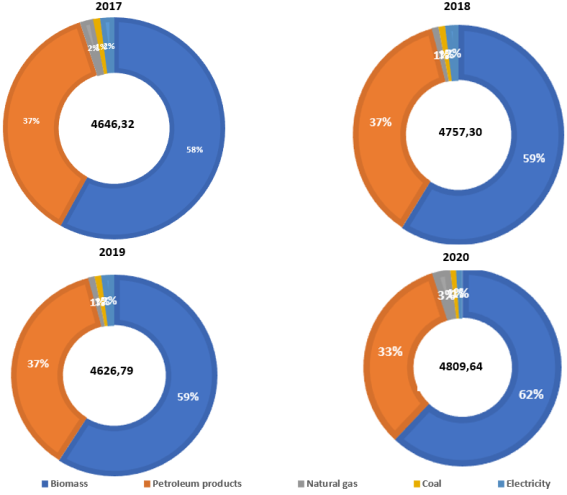
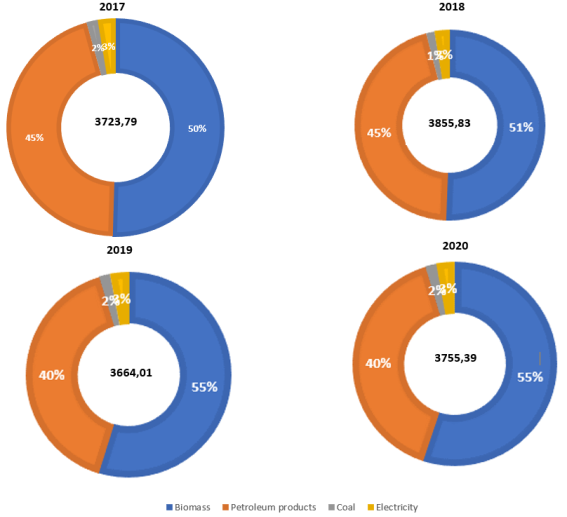
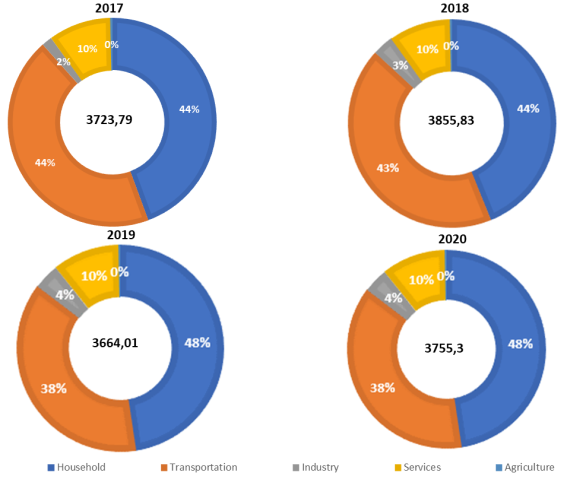
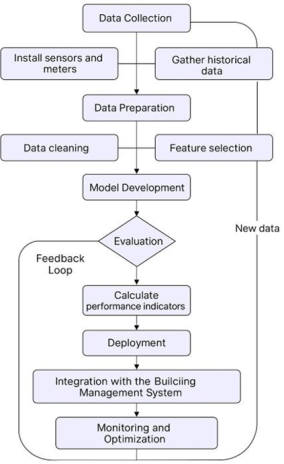



 Share This Article
 Twitter
 Linked In
 Facebook
 Copy
Copy Download